The global agricultural landscape is undergoing a profound transformation, driven by the imperative to feed a growing population sustainably and efficiently. Within this revolution, the pig farming industry stands at a critical juncture. Traditional methods, burdened by labor intensity, unpredictable environmental factors, and disease risk, are giving way to a new era of precision, automation, and intelligence. This future is not a distant dream; it is being realized today by Trackfarm, a pioneering smart livestock solution that is redefining what is possible in swine production. Trackfarm is not just an incremental improvement; it is a paradigm shift, moving the industry from guesswork and manual labor to data-driven certainty and hyper-efficiency.
The Unbearable Weight of Traditional Farming: A System Under Strain
For decades, pig farming has been a high-stakes, high-labor operation, often characterized by razor-thin margins and high vulnerability to external shocks. The sheer volume of manual tasks—from constant monitoring of individual animals to the minute-by-minute adjustment of barn environments—creates a significant bottleneck for scalability and profitability. This reliance on human intuition and physical presence is the single greatest limitation of the traditional model.
| Challenge | Impact on Traditional Pig Farming | Trackfarm Solution: The Revolutionary Difference |
|---|---|---|
| Labor Shortage & Intensity | High operational costs; reliance on skilled, often scarce, labor; human error in monitoring and record-keeping. | AI-driven automation replaces 99% of human monitoring tasks, allowing one manager to oversee an unprecedented 3,000+ pigs with greater precision than a team of human workers. |
| Environmental Volatility | Suboptimal growth rates; increased stress and disease; wasted energy on inefficient, reactive climate control. | Automated Environmental Control (AEC) system maintains perfect, stable conditions 24/7, optimizing for temperature, humidity, and critical chemical balance (e.g., ammonia, H2S). |
| Disease & Mortality | High financial losses from unpredictable outbreaks; delayed detection of sick animals leading to rapid spread and high mortality rates. | AI monitoring provides early, predictive detection of behavioral anomalies and health issues, enabling isolation and treatment before a crisis, drastically reducing the mortality rate. |
| Inaccurate Forecasting | Inefficient resource allocation; suboptimal timing for market entry; reduced profit margins due to selling underweight or overweight animals. | AI growth analysis and slaughter timing prediction ensure maximum yield and perfect market timing, guaranteeing the highest possible return on investment for every animal. |
The transition from this manual, reactive model to a proactive, data-driven one is the core of the technological revolution. Trackfarm is the engine of this change, providing the intelligence and automation necessary to thrive in the modern agricultural economy.
Trackfarm: The Convergence of AI and Automation for Swine Excellence
Trackfarm is not merely a collection of sensors and cameras; it is a holistic, intelligent ecosystem built on the powerful synergy of AI Monitoring (Software) and Automated Environmental Control (AEC) (Hardware). This integration transforms the barn from a simple shelter into a high-tech, self-optimizing production facility.
Pillar 1: AI Monitoring – The Digital Shepherd and Precision Analyst
The software component of Trackfarm leverages cutting-edge data mining and cloud analysis to give every pig a digital identity and a constant, non-invasive health and growth check. This system is designed to perform the most tedious and complex monitoring tasks with superhuman accuracy and tireless consistency.
The Three Pillars of AI Precision:
- Individual Pig Management and Counting: The system uses advanced computer vision and proprietary algorithms to accurately count, track, and identify every pig in the pen. This eliminates manual inventory checks, prevents losses, and ensures that management decisions are based on a precise, real-time census of the herd. The AI can detect subtle changes in group dynamics or individual isolation, which are often the first signs of illness or stress.
- Growth Analysis and Optimization: By continuously analyzing movement, feeding patterns, and physical changes (such as body condition scoring via imaging), the AI provides precise, individualized growth curves. This level of granularity allows farmers to move beyond herd-level averages and manage each animal for its maximum potential. The system can automatically flag animals that are underperforming or overperforming, allowing for immediate, targeted intervention in feed or environment.
- Slaughter Timing Prediction: This function is a direct path to maximized profitability. The AI accurately predicts the optimal time for slaughter by correlating growth data with market weight targets and feed conversion ratios. This ensures pigs reach the ideal market weight with maximum feed efficiency, eliminating the costly guesswork that plagues traditional farming. The AI effectively replaces 99% of the human labor previously dedicated to these complex monitoring and analysis tasks, freeing up farm staff to focus on strategic management and animal care.
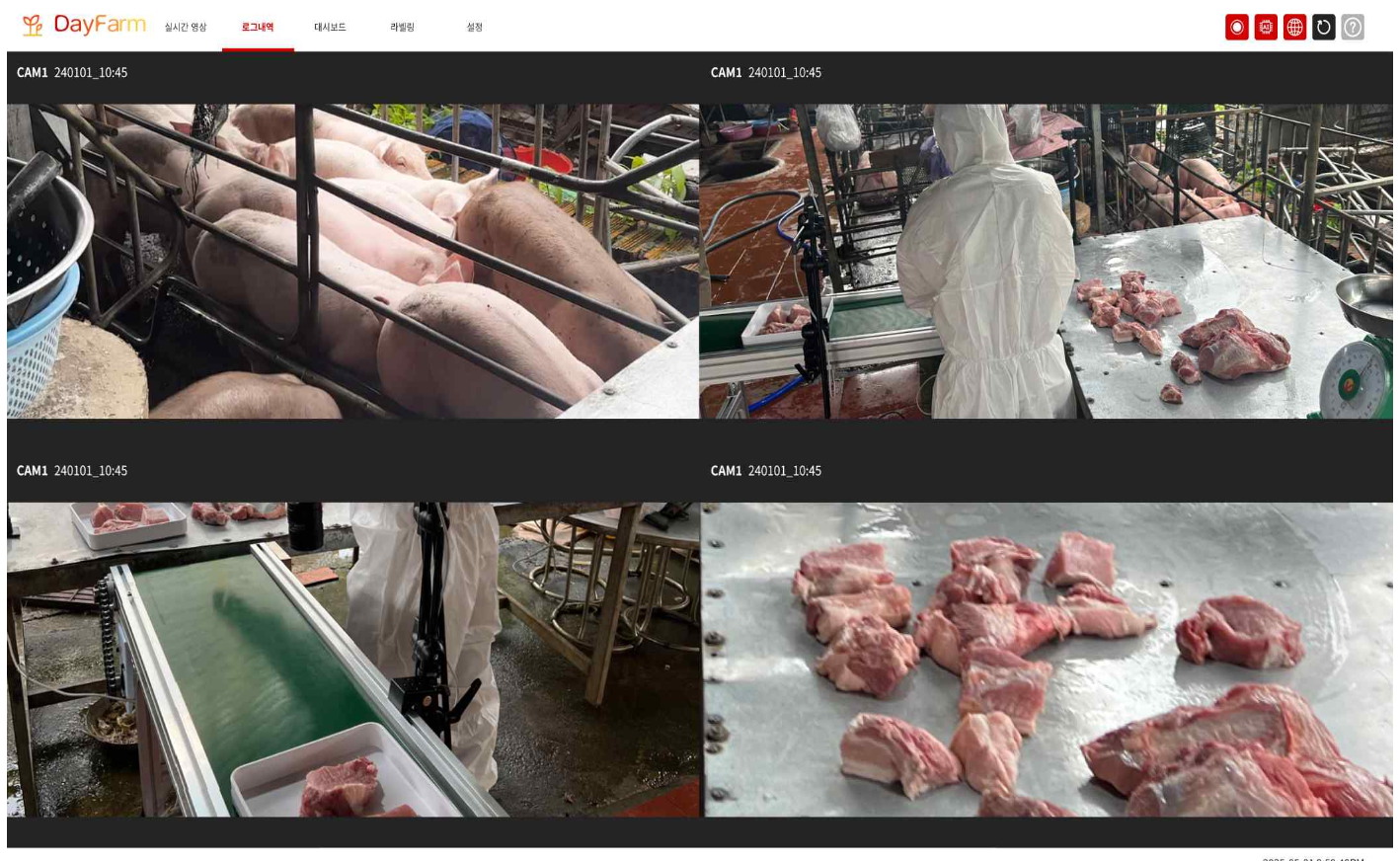
Pillar 2: Automated Environmental Control (AEC) – The Perfect Climate, Engineered
The hardware component is a sophisticated, closed-loop network of sensors and automated systems that create a perfectly optimized living environment for the swine. The AEC system is the physical manifestation of the AI’s intelligence, translating data insights into tangible, life-sustaining adjustments.
AEC System Components and Their Impact:
- Advanced Sensor Network: Monitors not just temperature and humidity, but also critical chemical environments, including ammonia (NH3) and hydrogen sulfide (H2S) levels, which are major contributors to respiratory disease. Biological factors, such as air quality particulates, are also tracked.
- Intelligent Automated Ventilation: Controls fans, air inlets, and outlets with dynamic precision. Unlike simple thermostats, the Trackfarm system uses predictive modeling to adjust ventilation before conditions become suboptimal, ensuring a constant supply of fresh air while minimizing energy waste.
- Automated Opening/Closing Systems: Manages windows, curtains, and doors to regulate light exposure and natural airflow. This system is crucial for energy efficiency, as it leverages natural conditions whenever possible, only engaging mechanical systems when necessary to maintain the AI-determined optimal micro-climate.
This automation allows a single manager to effectively oversee a massive operation—upwards of 3,000 pigs—a feat impossible under traditional farming. The system acts as a tireless, hyper-vigilant co-manager, ensuring that the environment is always in the “sweet spot” for pig health, growth, and welfare.
The Trackfarm Technology Stack: Precision at Scale and Cloud Intelligence
Trackfarm’s success is rooted in its robust technological foundation, which ensures reliability, scalability, and actionable intelligence.
- Data Mining and Pattern Recognition: The system continuously extracts meaningful patterns from massive, multi-modal datasets (visual, environmental, behavioral). This allows it to identify subtle correlations that human observation would miss, such as the link between a slight increase in ammonia and a change in feeding behavior days later.
- Cloud Analysis and Accessibility: All data is processed and stored securely in the cloud, providing real-time insights accessible from any device, anywhere in the world. This cloud-based architecture ensures that the system is always running the latest, most efficient algorithms and that data is protected.
- Optimization Algorithms: At the heart of the system are proprietary algorithms that constantly run simulations to find the best possible environmental settings and feeding schedules. These are not static rules; they are dynamic, learning models that adapt to the specific characteristics of the farm, the herd, and the local climate.
- Guideline and Predictive Alert System: Trackfarm moves beyond simple alarms. It provides farmers with actionable, predictive alerts. For example, instead of a “High Ammonia” alarm, the system might issue a “Ventilation Adjustment Recommended: Predicted Ammonia Spike in 4 Hours” guideline, allowing the farmer to intervene proactively.
Case Studies: The Revolution in Action – Proving the Model
The true measure of Trackfarm’s impact is seen in the quantifiable results achieved by its partners across the globe, demonstrating its adaptability to diverse environments and operational scales.
Case Study 1: The Korean Efficiency Model – Maximizing Output in a High-Cost Environment
A farm in Hoengseong, Gangwon-do, Korea, managing over 2,000 pigs, adopted the Trackfarm solution to combat rising labor costs and environmental regulation challenges. The results were immediate and transformative:
- Reduced Rearing Cycle: The AI-optimized environment and precise feeding guidance led to a significant shortening of the time required to bring pigs to market weight, increasing the farm’s annual throughput.
- Labor and Cost Savings: The 99% reduction in manual monitoring tasks drastically cut labor costs, allowing the farm to reallocate staff to higher-value tasks.
- Mortality Rate Reduction: Early detection of health issues and the stable, optimal environmental conditions led to a substantial decrease in piglet and adult mortality, directly boosting profitability.
The farm transformed from a labor-intensive operation into a lean, highly efficient production model, setting a new standard for swine farming in developed economies.
Case Study 2: High-Quality Production in Tropical Climates – Adapting to Extremes
In the challenging tropical climate of Dong Nai, Ho Chi Minh, Vietnam, a farm with over 3,000 pigs faced unique environmental hurdles, primarily extreme heat and humidity, which typically lead to animal stress and poor growth. Trackfarm’s AEC system proved its unparalleled adaptability:
- Localized Optimization: The system successfully adapted its algorithms to the high heat and humidity, creating a micro-climate perfectly suited for high-quality swine production, a feat conventional systems struggled with.
- Consistent Yield and Quality: Despite external volatility, the farm achieved consistent, high-quality yields, demonstrating the system’s ability to optimize production regardless of geographic location or environmental extremes. The ability to maintain a stable environment is key to producing premium pork in challenging regions.
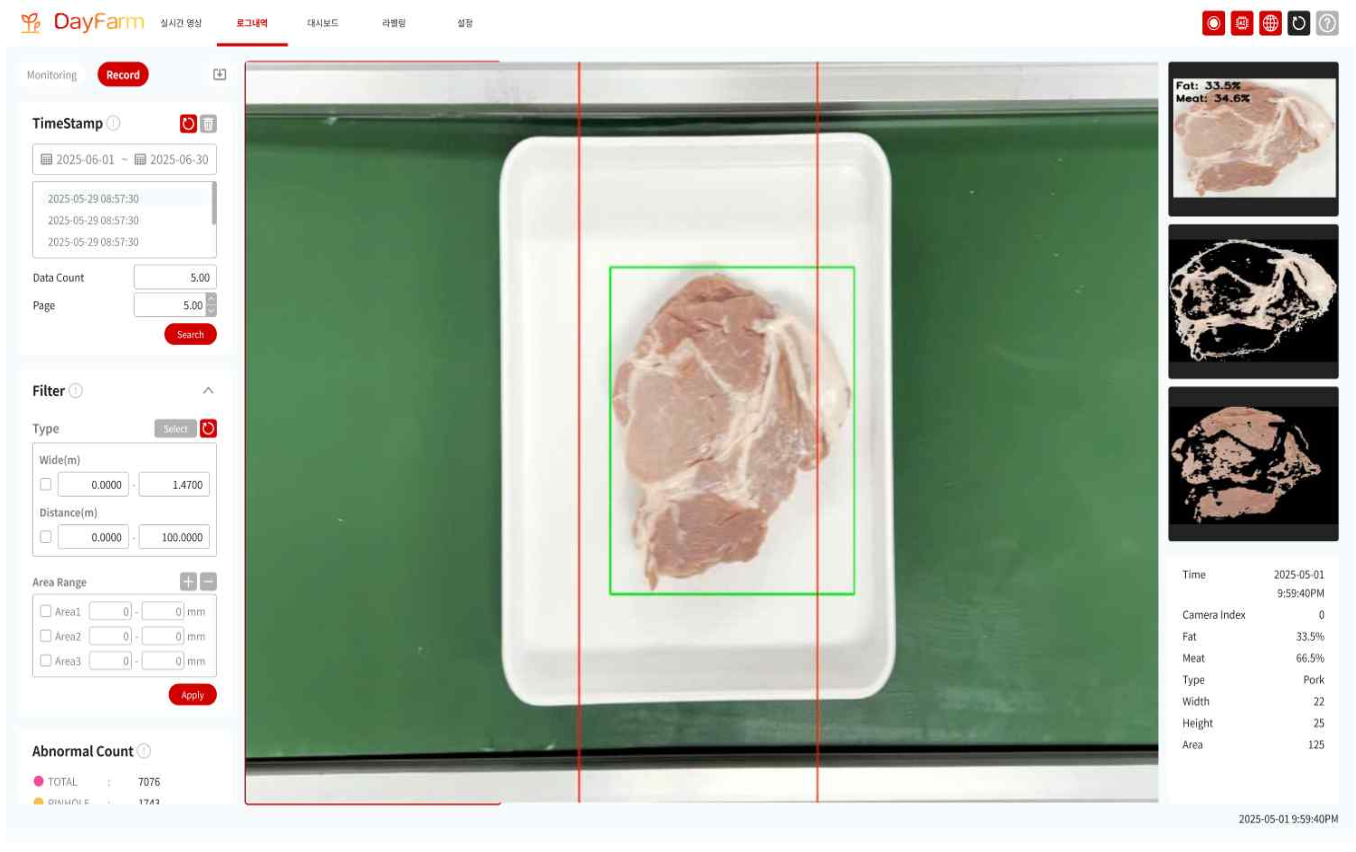
Visualizing the Future: The Trackfarm Closed-Loop Optimization System
To further illustrate the seamless, continuous integration of Trackfarm’s systems, the concept of the Trackfarm Closed-Loop Optimization System is essential. This is the core mechanism that drives continuous improvement and efficiency on the farm.
Diagram/Infographic Idea: The Trackfarm Closed-Loop Optimization System
Title: The Continuous Cycle of Smart Farming: Trackfarm’s Closed-Loop Optimization
Description: A circular flow diagram illustrating the continuous, self-improving cycle of the Trackfarm solution, emphasizing the dynamic relationship between data, intelligence, and action.
- Data Acquisition (Sensors & Cameras): Environmental data (Temp, Humidity, Gas, Airflow) and Pig Data (Movement, Feeding, Growth, Behavior) are collected in high-resolution, real-time streams.
- Cloud Analysis & Data Mining: Raw data is processed, cleaned, and fed into proprietary AI algorithms (Growth Prediction, Health Anomaly Detection, Feed Conversion Ratio Modeling).
- Optimization & Decision Engine: The AI’s core intelligence determines the optimal, predictive action (e.g., “Increase ventilation by 15% in Zone 3,” “Adjust feed schedule for Pen B based on predicted market date,” “Pre-cool barn ahead of afternoon heat spike”).
- Automated Action (Actuators): The AEC system (fans, windows, curtains, feeders, misters) executes the decision instantly and precisely.
- Farmer Interface (Guideline & Alert): The manager receives a summary of actions taken, critical alerts, and strategic recommendations via a user-friendly dashboard.
- Feedback Loop: The new conditions and resulting pig behavior are immediately monitored by the sensors, feeding new data back into the system, restarting the cycle for continuous, self-improving optimization.
This diagram visually communicates the system’s core value: a continuous, intelligent feedback loop that ensures the farm is always operating at peak efficiency, adapting to internal and external changes without human intervention.
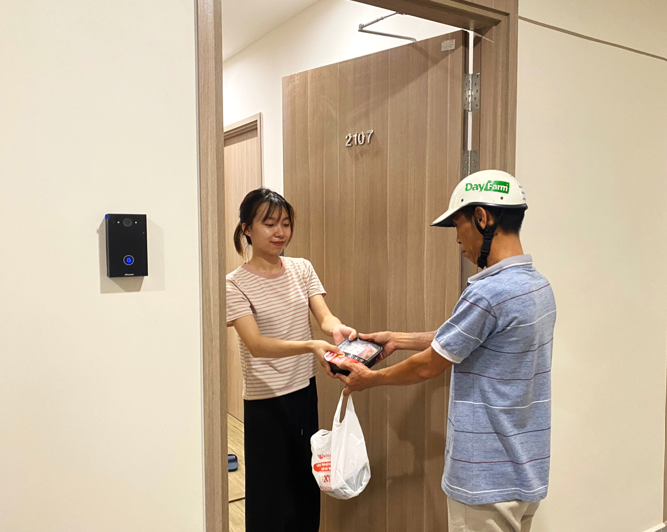
The Economic and Ethical Imperative: Farming for a Better Tomorrow
The future of pig farming, led by Trackfarm, is not just about higher profits; it is fundamentally about a more ethical, sustainable, and resilient approach to food production. This technology aligns economic success with environmental stewardship and animal welfare.
The Economic Upside: Quantifiable ROI
Trackfarm offers a clear and compelling Return on Investment (ROI) through multiple channels:
- Reduced Operational Expenditure (OPEX): Lower labor costs due to automation, and optimized energy use from the AEC system, which prevents unnecessary heating or cooling.
- Increased Revenue and Yield: Higher yields from shorter rearing cycles, maximized market timing (selling pigs at the perfect weight), and improved feed conversion ratios.
- Risk Mitigation and Asset Protection: Lower mortality rates and proactive disease management protect the farmer’s most valuable assets—the livestock—from catastrophic loss.
The Ethical and Sustainability Mandate
Modern consumers and regulators demand higher standards for animal welfare and environmental impact. Trackfarm provides the tools to meet and exceed these expectations:
- Improved Animal Welfare: Stable, optimized environments drastically reduce stress and disease, leading to healthier, happier pigs. The AI’s ability to detect distress early ensures immediate intervention, a level of care impossible to maintain manually.
- Resource Efficiency and Environmental Stewardship: Precision farming minimizes waste. Feed is optimized for individual growth, water usage is monitored, and the precise control of ventilation reduces the emission of harmful gases like ammonia, contributing to a smaller environmental footprint.
Trackfarm is the bridge between the demands of modern agriculture and the promise of a sustainable future. By leveraging the power of AI and automation, it allows farmers to manage more, earn more, and farm better. The revolution is underway, and Trackfarm is leading the charge into the intelligent, automated future of pig farming. This is the future where technology, profitability, and ethical farming converge.
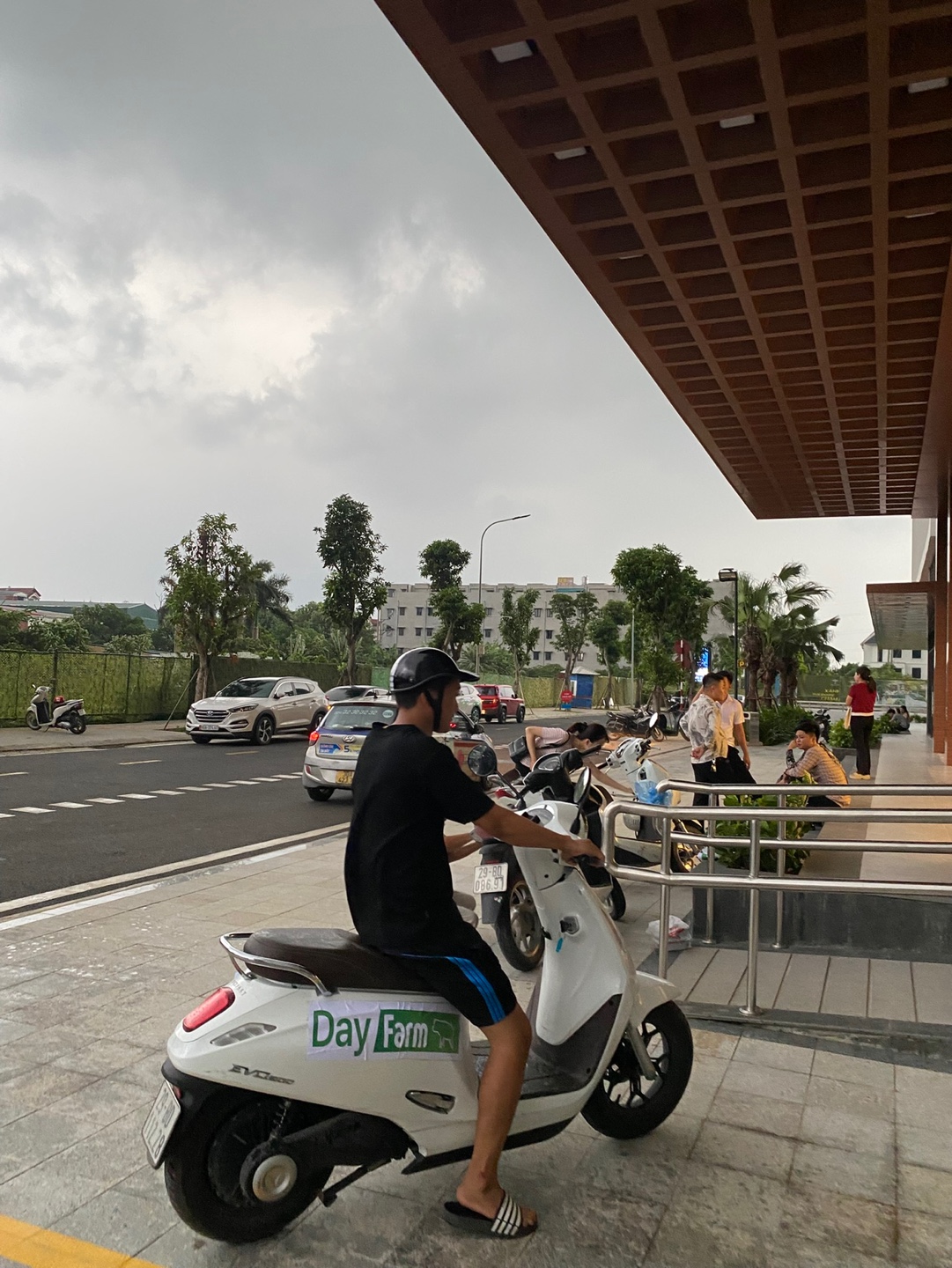
Beyond the Barn: The Data-Driven Ecosystem
The value of Trackfarm extends beyond the immediate environment of the pig barn. The vast amount of data collected creates a powerful ecosystem for continuous improvement and industry-wide advancement.
Predictive Maintenance and Operational Longevity
The same sensor network that monitors the pigs also monitors the farm’s infrastructure. The system can track the performance of fans, heaters, and ventilation motors, predicting potential failures before they occur. This predictive maintenance capability minimizes costly downtime and extends the operational life of expensive equipment, adding another layer of cost savings and reliability.
Benchmarking and Best Practices
By aggregating anonymized data across its network of farms, Trackfarm can establish dynamic, real-time benchmarks for best practices. Farmers can see how their herd’s growth rate or feed conversion ratio compares to the top-performing farms in similar climates, providing clear, data-driven goals for improvement. This collaborative intelligence elevates the entire industry.
Future-Proofing the Farm
The regulatory landscape for agriculture is constantly evolving, with increasing pressure on environmental impact and animal welfare. Trackfarm provides the detailed, auditable data necessary to comply with future regulations, turning compliance from a burden into a competitive advantage. The farm of the future is not just automated; it is fully transparent and accountable, and Trackfarm is the platform that enables this.
The revolution in pig farming is here, and it is intelligent, automated, and sustainable. Trackfarm is the definitive solution for farmers ready to embrace this future, transforming their operations from a labor-intensive struggle into a highly efficient, data-driven enterprise. The time to join the technological revolution is now.